jonkakes:

words-are-chaos:

somethingdnd:

bitter-bi-witch:

somethingdnd:

captain-forsyth:

somethingdnd:

nozignature:

somethingdnd:

takeo14:

somethingdnd:

thatwestonkid:

My super advanced mapmaking technique – a handful of dice makes the map nice

interesting method

My question is do the die affect topography any or just set the borders?

I imagine it’s up to the person making the map. But maybe the more dice in a single spot, the more mountainous or forested the area. Maybe choose a few dice to be deemed cities, and some dice for ruins.

Maybe let the dice choose, like a nat 20 would be the world capital, and 10’s would be mountains or something like that.

1-5: Plains and fields

6-8: Forests

9-11: Mountains

12-14: Tundras and snow covered lands

15-17: Farms and towns

18-19: Larger cities

20: Capitals and castles

what would happing if all the dice landed on a 20?

then you have a very busy continent

not all of those are d20s though, so you’d have to come up with another method for the other ones

Adjusted for all dice you might have

D20

1-5: Plains and fields

6-8: Forests

9-11: Mountains

12-14: Tundras and snow covered lands

15-17: Farms and towns

18-19: Larger cities

20: Capitals and castles

D12

1-3: Plains and fields

4-6: Forests

7-8: Mountains

9-10: Tundras and snow covered lands

11: Farms and towns

12: Larger cities

D10

1-3: Plains and fields

4-6: Forests

7-8: Mountains

9: Tundras and snow covered lands

10: Farms and towns

D8

1-4: Plains and fields

5-6: Forests

7: Mountains

8: Tundras and snow covered lands

D6

1-3: Plains and fields

4: Forests

5-6: Mountains

D4

1-2: Plains and fields

3: Forests

4: Mountains

Holy shit. Definitely using this.

I swore at how simple this motherfucking thing is. You’re all bastards and i love you.

fairyglitterwitch:

dorianshavilliard:

abolishflesh:

actuallyadhd:

Sensory Overload And How To Cope

Sensory overload has been found to be associated with disorders such as:

  • Fibromyalgia (FM)
  • Chronic Fatigue Syndrome (CFS)
  • Post Traumatic Stress Disorder (PTSD)
  • Autistic spectrum disorders
  • Generalized Anxiety Disorder (GAD)
  • Synesthesia

Sensory overload occurs when one (or more) of the body’s senses experiences over-stimulation from the environment.

Basically it feels like everything is happening at once, and is happening too fast for you to keep up with.

Sensory overload can result from the over stimulation of any of the senses.

Hearing: Loud noise or sound from multiple sources, such as several people talking at once.

Sight: Bright lights, strobe lights, or environments with lots of movement such as crowds or frequent scene changes on TV.

Smell and Taste: Strong aromas or spicy foods.

Touch: Tactile sensations such as being touched by another person or the feel of cloth on skin.

Obviously, everyone reacts in differently to sensory overload.

Some behavioural examples are:

Irritability – “Shutting down” – Covers eyes around bright lights – Difficulty concentrating
Angry outbursts – Refuses to interact and participate – Covers ears to close out sounds or voices – Jumping from task to task without completing
Overexcitement – Low energy levels – Difficulty speaking – Compains about noises not effecting others
High energy levels – Sleepiness/fatigue – poor eye contact – Overly sensitive to sounds/lights/touch
Fidgeting and restlessness – Avoids touching/being touched – Muscle tension – Difficulty with social interactions

There are two different methods to prevent sensory overload: avoidance and setting limits:

  • Create a more quiet and orderly environment – keeping the noise to a minimum and reducing the sense of clutter.
  • Rest before big events.
  • Focus your attention and energy on one thing at a time.
  • Restrict time spent on various activities.
  • Select settings to avoid crowds and noise.
  • One may also limit interactions with specific people to help prevent sensory overload.

It is important in situations of sensory overload to calm oneself and return to a normal level.

  • Remove yourself from the situation.
  • Deep pressure against the skin combined with proprioceptive input that stimulates the receptors in the joints and ligaments often calms the nervous system.
  • Reducing sensory input such as eliminating distressing sounds and lowering the lights can help.
  • Calming, focusing music works for some.
  • Take an extended rest if a quick break doesn’t relieve the problem.

What if someone you know is experiencing sensory overload?

Recognize the onset of overload. If they appear to have lost abilities that they usually have, such as forgetting how to speak, this is often a sign of severe overload.

Reduce the noise level. If they are in a noisy area, offer to guide them somewhere more quiet. Give time to process questions and respond, because overload tends to slow processing. If you can control the noise level, for example by turning off music, do so.

Do not touch or crowd them. Many people in SO are hypersensitive to touch – being touched or thinking they are about to be touched can worsen the overload. If they are seated or are a small child, get down to their level instead of looming above them.

Don’t talk more than necessary. Ask if you need to in order to help, but don’t try to say something reassuring or get them talking about something else. Speech is sensory input, and can worsen overload.

If they have a jacket, they may want to put it on and put the hood up. This helps to reduce stimulation, and many people find the weight of a jacket comforting. If their jacket is not within reach, ask them if they want you to bring it. A heavy blanket can also help in a similar way.

Don’t react to aggression. Don’t take it personally. It is rare for someone who is overloaded to cause serious harm, because they don’t want to hurt you, just get out of the situation. Aggression often occurs because you tried to touched/restrained/blocked their escape.

When they have calmed down, be aware that they will often be tired and more susceptible to overload for quite awhile afterwards. It can take hours or days to fully recover from an episode of sensory overload. If you can, try to reduce stress occurring later on as well.

If they start self-injuring, you should usually not try to stop them. Restraint is likely to make their overload worse. Only intervene if they are doing something that could cause serious injury, such as hard biting or banging their head. It’s a lot better to deal with self-injury indirectly by lowering overload.

To summarise – Remember the 5 R’s

Recognise
The symptoms of overload

Remove
Yourself from the situation

Reduce
the stimulus causing the overload

Relax
Your body and calm yourself down

Rest
Yourself as you will most likely feel fatigue.]

(the original post is a photoset and the above was part of an image description, hope no ones minds i just changed it into a text post)

i had no idea that this could have been sensory overload, but it really figures lmao

@littleraz90

A faster way to start learning a language

funwithlanguages:

You can get to the point where you can express yourself in a language by learning basic grammar and just 200 words.

My test for being able to express myself is: Can I keep a diary in this language? Can I talk about what I did today and my opinions on just about any subject?

Too often, people who have been learning a language for months or even years say “no.” However, in my experience, it’s possible after learning just basic grammar and the 200 most useful words. If you wanted to go fast and learn 20 words a day (the default rate of Anki), then you could learn 200 words in a week and a half. (In my experience, learning basic grammar doesn’t take as long as learning the words, so the total time could be three weeks. However, I didn’t teach myself my first foreign language, so I can’t speak to that case — if you’re teaching yourself your first, kudos, and let me know how long the grammar takes!)

The key is that you have to learn the right 200 words. When I was teaching myself languages before, I could never find a good answer to the question: What words should I learn first? If you use Duolingo, they’ll start by teaching you words like “apple”, which aren’t very useful. I spent a lot of time writing and talking in order to determine which 200 words would let you express the most. I think I finally got it. But don’t take my word for it — see this demonstration.

I personally tested this method out with Esperanto and French and I’m now able to keep a diary in both languages, writing about anything that happened in my day and any thought that crosses my mind.

To be clear: 200 words won’t make you fluent, but they’ll allow you to express yourself, and it’s a lot easier to keep improving from there. Feel free to adapt the method based on what works for you. Here are the steps:

  1. If your language uses a non-Latin alphabet, learn the alphabet.
  2. Learn basic grammar
  3. Learn ~200 basic words
  4. Practice writing
    (This method is introvert friendly! You don’t have to talk to strangers if you don’t want to. But at this stage you can also practice by speaking, if you prefer.)

If you have any questions, feel free to ask. Also, please send me your feedback! I’d love to know if this works for you or if it doesn’t. I welcome all comments, criticism, and suggestions for improvement. And if you think this guide could help other people, please consider reblogging it. 🙂

Additional notes:

  1. To be able to express yourself with 200 words, you’ll need to be able to rephrase things: e.g. “she comforted him” = “she caused that he felt better”. Even if it’s hard for you to rephrase things this way, the 200 basic words are a great starting vocabulary list.
  2. This is the order in which I usually learn an alphabetic language: basic writing and speaking, reading, listening, advanced writing and speaking. Being able to express yourself doesn’t mean that you’ll immediately be able to listen to the language and understand it, because native speakers may speak fast and use a wider vocabulary (though hopefully they’ll slow down and simplify for you in a conversation). But it’s a lot easier to keep improving from a point where you have basic writing and speaking skills than from one where you don’t.

keycrash:

apparently ppl don’t know about waifu2x??? despite its… concerning name it’s literally the most convenient website i’ve ever come across as an artist

it allows you to resize artwork without it becoming pixellated. this is a MASSIVE help if you, for example, make lineart too small or something. it works best with things that 1. have no textures 2. have smooth lines 3. have cel shading, but it still works really damn well for things that don’t fit that profile

here’s an example:

normal size

2x in paint

2x in waifu2x

so like, there’s that. go wild

astolat:

grypwolf:

travelingmadness:

pugletto:

prrb:

How I pratice drawing things, now in a tutorial form.
The shrimp photo I used is here
Show me your shrimps if you do this uvu 

PS: lots of engrish because foreign 

This is the best art advice ever and you should all listen to it because it’s basically what I’ve been telling people for years.

image

i was not expecting that to actually work

THIS.

This feels like one of those pieces of advice that are so brilliant that as soon as you have read it, it feels blindingly obvious. 

GIANT SELF HELP MASTERPOST

takecare-takecare-takecare:

artcalorie:

alwaysthewayout:

。◕‿◕。

emergency compliment 
calming manatee
calming paintbrush
soothing techniques
the thoughts room
the quiet place
daily puppy
draw a stickman
self injury recovery masterpost
need a hug??
comfort box
alternatives for anger and restlessness
happy thing masterpost
when you’re sad?
click here to smile
feeling stressed?
cheer up!
the dawn room

isnt the rain beautiful
are you feeling okay?
calm down
weave silk to calm down
do nothing for two minutes
match the colours
look at the stars!

wanting to self harm or worse?
maybe you want to comfort someone else
wow beautiful nature sounds!
really good game to get feelings out
nature not your thing? coffee shop noise

sand patterns
speak to people
how to care for self harm cuts
distractions and alternatives for self harm
how to fade and cover scars
what to do when someone notices your cuts/scars?
resisting the urges
25 ways to avoid self injury
tips to help stop cutting
helping someone who is suicidal
stupid games to cheer you up (pointless games)
the butterfly project
just relapsed?
reasons to live

eating disorder support groups
coping with exercise addictions
bulimia recovery
coping with weight gain
overcome your eating disorder

bipolar self help
living with bipolar
dealing with bipolar without medication
10 more ways to cope with bipolar
bipolar coping skills


how to cope with depression
natural depression treatments
ways to deal with depression/stress
overcoming loneliness 
finding the right antidepressant

understanding and managing anxiety
understanding and coping with panic attacks
tips and tricks for dealing with anxiety
anti stress breathing tips
coping with social anxiety
cope with panic attacks

self defence tips
rape escape
how to break out of a zip tie

depression resources masterpost
cool game called ‘the end’ to distract you
“how to cut” (not what you think)
big master post of masterposts

HOW TO

stop skipping breakfast
stop biting your nails
work through feelings of social isolation
understand types of anxiety
deal with anxiety
calm down

calm down during a anxiety attack
do yoga to cheer  yourself up
learn how to mediate
cope with ocd
coping with social anxiety disorder
coping with schizophrenia
coping with depression
coping with bipolar
coping with borderline personality disorder
coping with eating 
disorders
coping with autism spectrum disorder

GET HELP WITH


disorders/mental illness
low on cash but wanting help?
panic and anxiety
coping with PTSD
never say these things to someone having a panic attack
what is ocd?
more about ocd
what is PTSD?
what is social anxiety/social phobia
supporting someone with PTSD tips
living with someone who has OCD
what is depression?
what is autism spectrum disorder?
what is bipolar?
what is borderline personality disorder?
what are eating disorders?
what is generalized anxiety disorder?
what is panic disorder?
what is schizophrenia? 

suicide prevention
hotlines
more hotlines (UK)
list of hotlines for everyone
mental health hotlines

8TRACKS PLAYLISTS CALM/CHEER UP MUSIC

note to self
good feelings
spring fling
coffee shop acoustics
rad covers
good feelings
a little bit of everything
good morning
breathe
acoustic
conquer school
wheels on the road
choose happy
sleepy tunes
coffee shop tunes

BACKGROUND NOISES

MYNOISE
SOUNDROWN
RAINY MOOD
COFFEE SHOP
SOUNDS TO FALL ASLEEP TO
STUDY PLAYLIST
MOST RELAXING TUNE ACCORDING TO SCIENTISTS
CALM SOUND

Important!

This is incredible and I’m also going to add
emergencykitten.com

Because who doesn’t occasionally have an emergency that requires a kitten

To All Writers of Everything Ever

peranora:

latenightspooky:

I need to rant about this:

image

Also known as the best writing program ever! It’s a full-screen writing program!

So you open it up, and it looks like this:

image

You’re thinking, “Ok, so what? It’s a screen with a picture. Whoopdie do.” But it get’s better! It’s customizable!

See that “appearance”? Click it.

image

You can also use custom fonts that you have installed!

See that “music”? Click it.

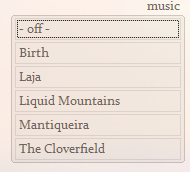
image

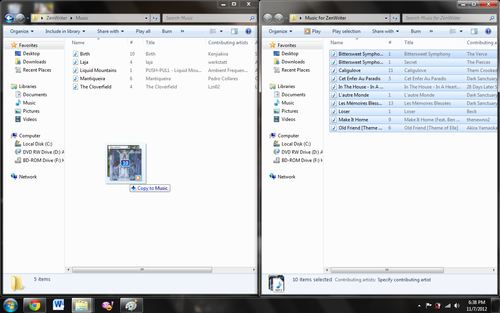
If you drag your own music into the folder, like so:

image

You get this!:

image

But wait! It gets better!

See “typing sounds”? You can change those too!

Perhaps the best is – YOU CAN USE ANY PICTURE FOR THE BACKGROUND. It will automatically fade it for you!

Seriously, guys, this tool is wonderful. You can use it for:

  • Research papers
  • Novel writing
  • Play writing
  • Short stories
  • Homework assignments
  • Ranting about your friends when they piss you off
  • Writing your shopping list

It auto-saves. It exports to .rtf. Hotkeys from Word for italicize, underlining, and bold work. You can print RIGHT FROM THERE.

And the seriously best thing ever?

It fits on a flash drive. The entire thing with added music is maybe 131MBs.

The bestest thing ever.

It’s free.

HOW TO BRING BACK PPL WHO STOPPED WRITING IN 2009